
McMaster Rocketry
Get blasted
Highest flight to date: 33,551 ft
Osiris · Launch Canada 2026. Our highest flight ever.
Six vehicles in five years: airframe, avionics and recovery designed and built by students, flown on commercial motors.
Hamilton, Ontario
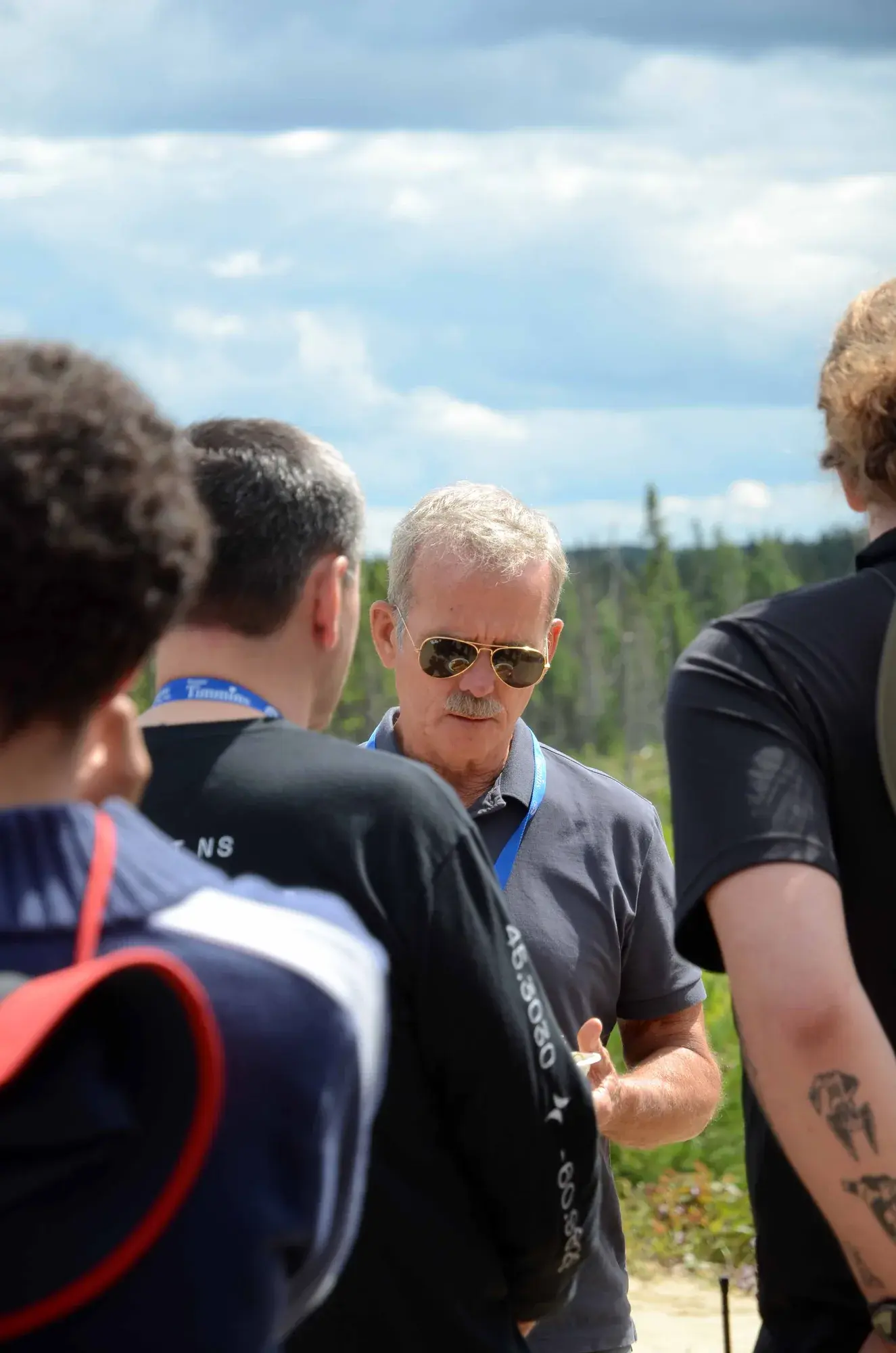
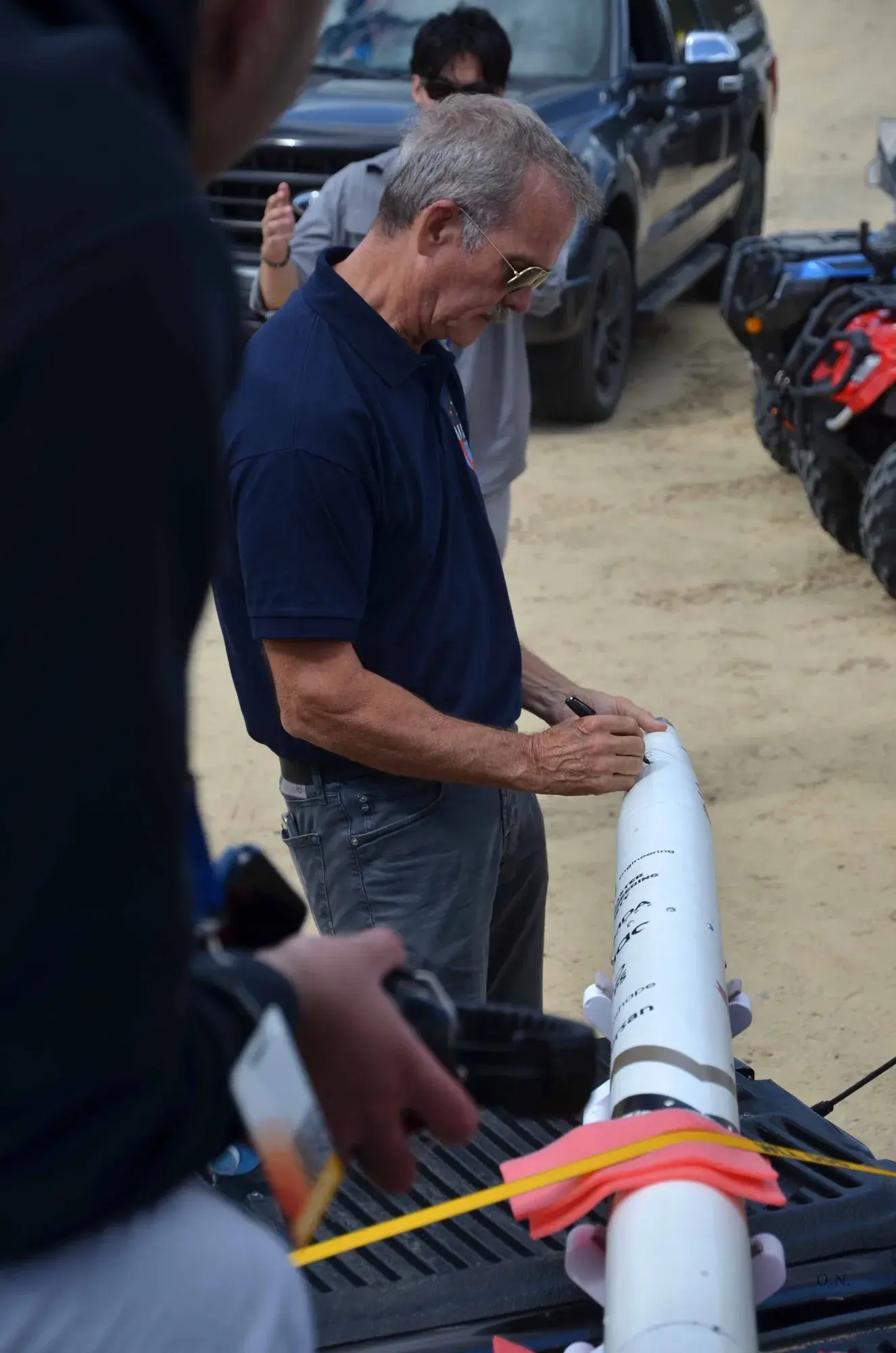
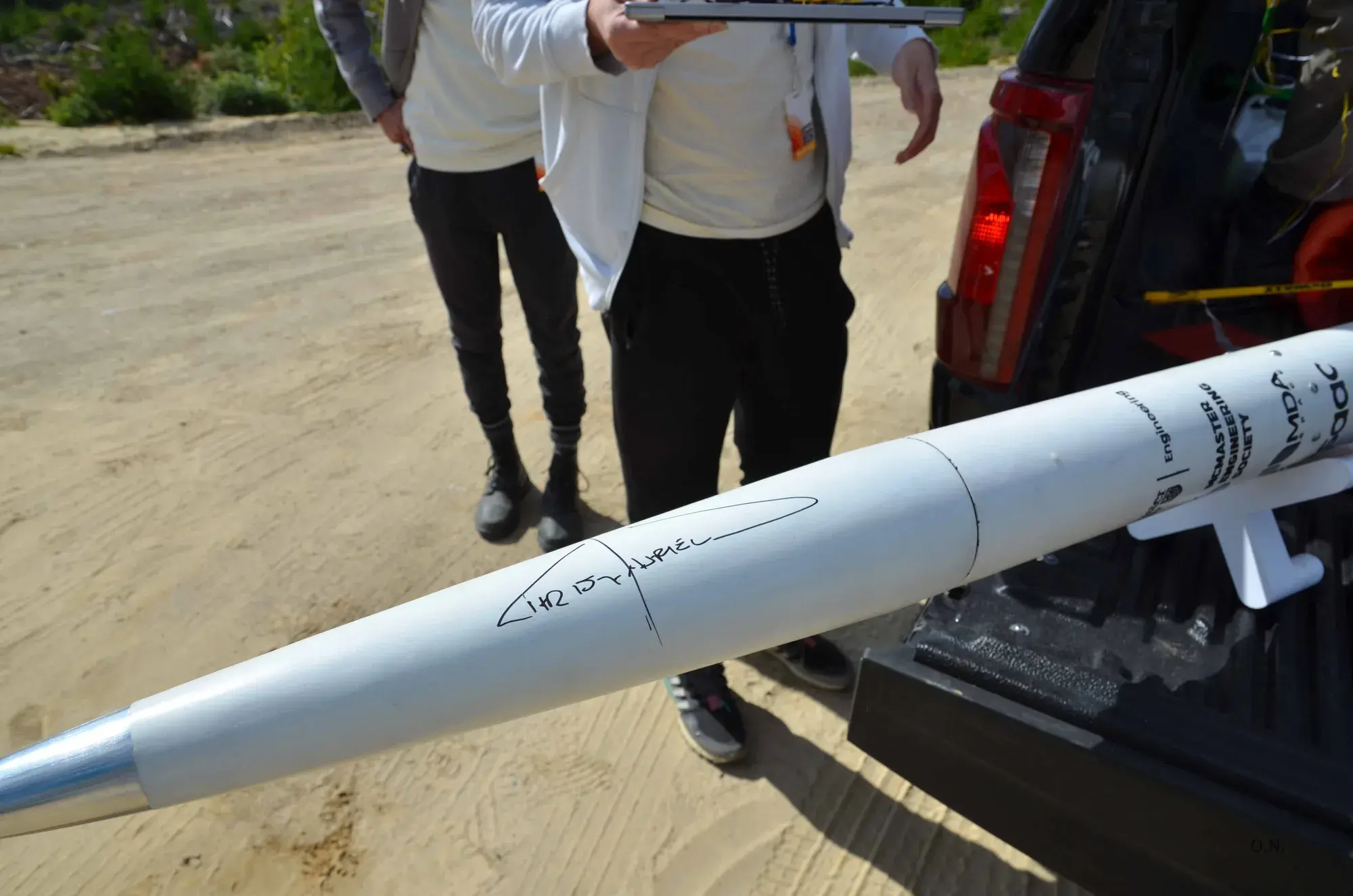
Chris Hadfield
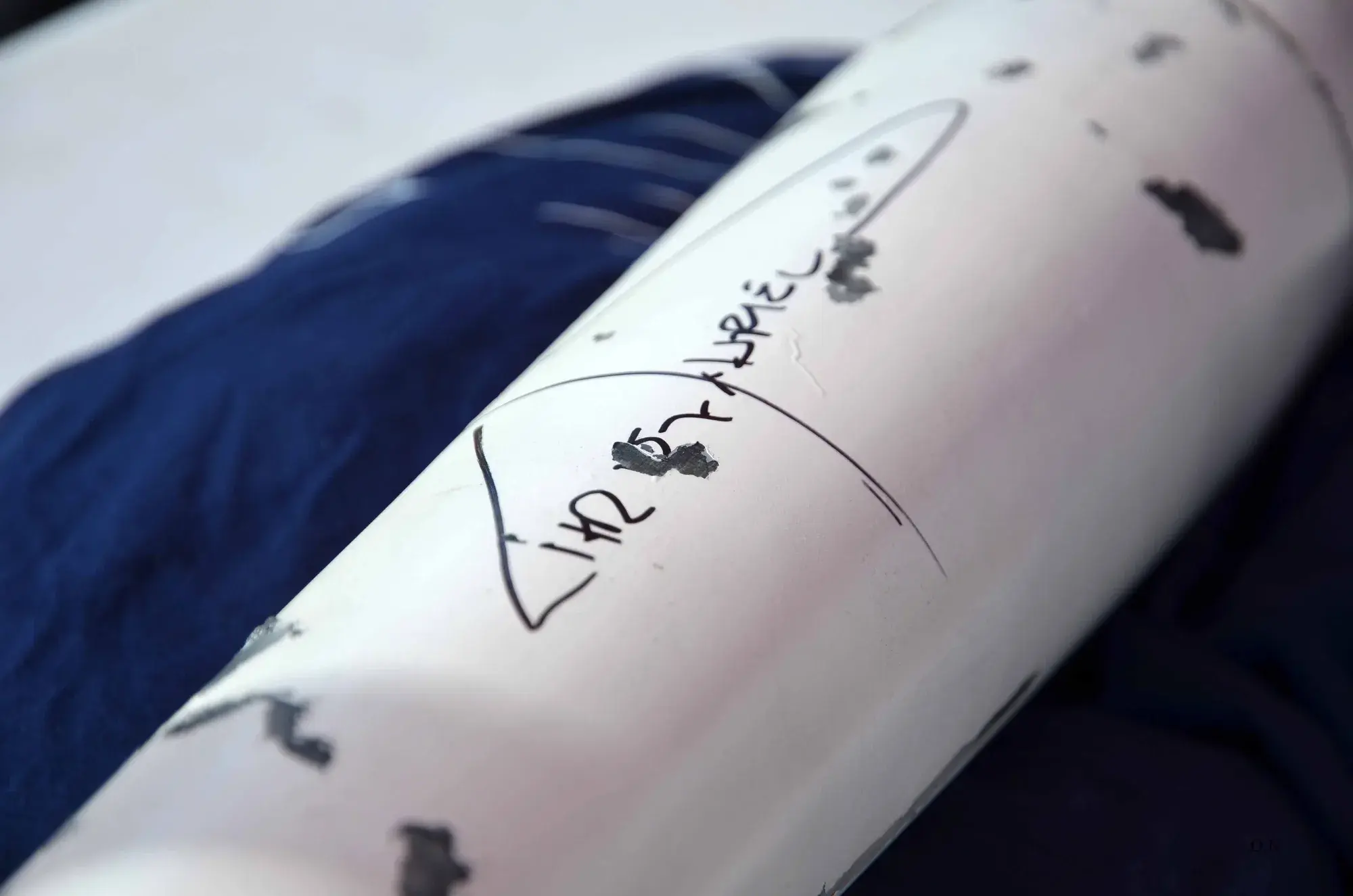
signed Osiris.
At the range in Timmins, Chris Hadfield stopped by to meet the team and signed the nosecone before our highest flight ever.
Every rocket,
built and flown, in order.
Six vehicles in five years.






Two entries, two wins
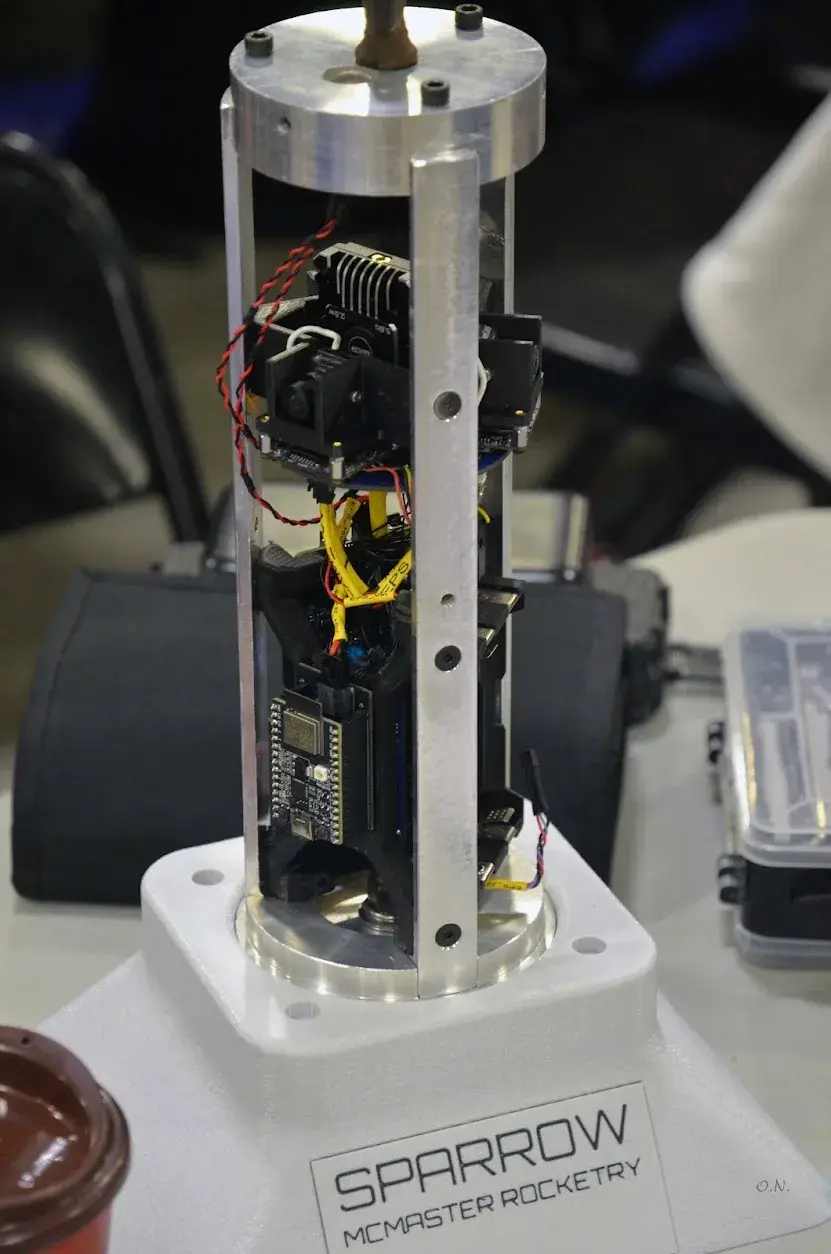
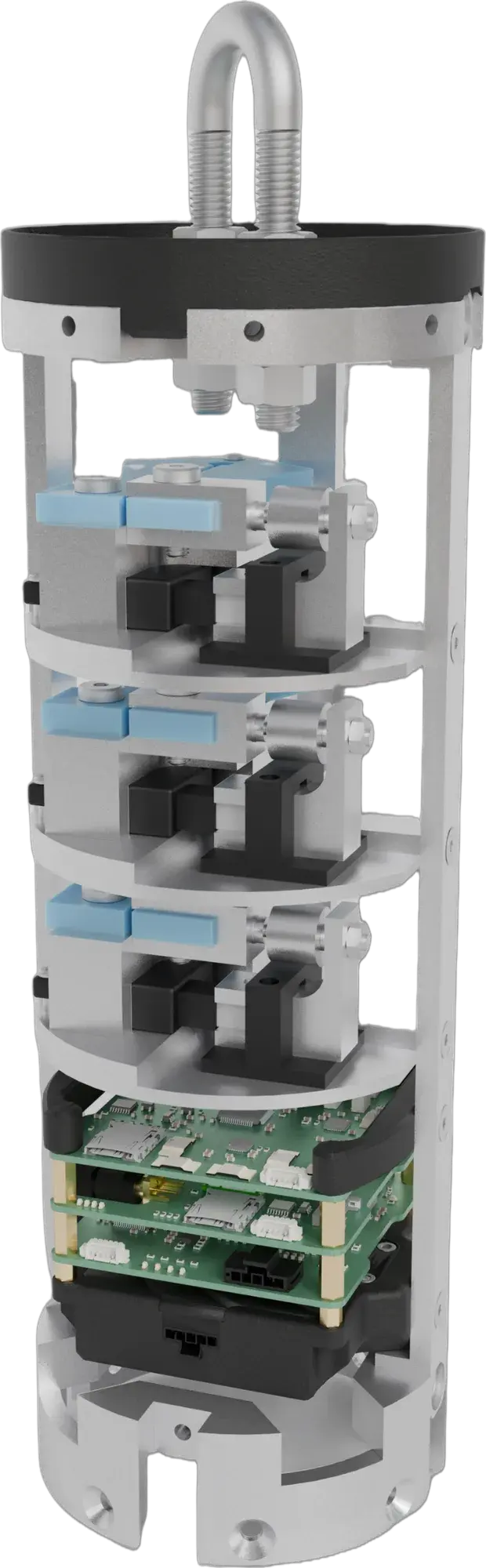
Two payloads flown, every one first place in the Payload Challenge at Launch Canada. CAD, electrical and software all sit on it.
Seven teams,
one rocket.
Every part of the vehicle, and everything around it, is owned by a student subteam. One of them needs no engineering background at all.
Airframe
Structures and aerodynamics: simulation, analysis, CAD and machining. The airframe has to survive peak loading and come back straight.
Avionics
Flight computers and telemetry: embedded firmware and PCB design in KiCad. This subteam decides when every event on the flight fires.
Composites
Carbon and fibreglass layup, tooling, and the finishing that makes it fly straight.
Operations
Graphic design, merch, and social media. What people see when they have never set foot in the shop.
Payload
The experiment we fly. CAD, electrical and software all sit on it.
Propulsion
Motor integration, thrust curves, and Icarus: our in-house hybrid engine in development alongside the commercial motors we fly today.
Recovery
Dual-deployment parachutes and the sequencing that brings the vehicle back intact.
Want to learn more?
Applications are closed for now. Stay tuned to our Instagram for future opportunities.
We hire first years.
We hire people who have never touched a rocket. Come ready to learn. We'll teach the rest.
Applications for this term are closed. Stay tuned to our Instagram for future opportunities. You don't need to be an engineer: we need people on operations as much as on airframe.